

 Contact Us



During the COVID-19 pandemic, respiratory therapists were some of the most essential healthcare professionals. They managed ventilators, supported patients with complex respiratory conditions, and worked closely with ICU teams to deliver life-saving care when it was needed most.
While many benefited from respiratory therapy during the pandemic, the profession’s importance extends far beyond public health emergencies. Today, respiratory therapists continue to play a vital role in hospitals, supporting patients across critical care, emergency medicine, neonatal care, and long-term respiratory management.
Despite their growing importance across healthcare settings, respiratory therapists remain one of the least understood healthcare professions today.
That gap between how essential respiratory therapists are and how little awareness exists around the profession has only become more significant.
Across the Philippines and around the world, healthcare systems continue to face growing demand for respiratory and critical care services. Ischaemic heart disease claimed nearly 101,000 Filipino lives from January to October 2025, while pneumonia caused more than 34,000 deaths during the same period—both conditions that often require specialized respiratory support. At the same time, the country’s senior population has grown to 10.98 million people, increasing the need for long-term respiratory and chronic disease management.
Hospitals have responded by expanding ICU and emergency care capabilities. In 2025, the Department of Health allocated ₱35.37 billion for healthcare facility upgrades, representing its largest investment under the Health Facilities Enhancement Program since 2017. More beds, more ventilators, and more patients requiring respiratory support are entering the healthcare system. The challenge now is to ensure there are enough skilled respiratory therapists ready to meet that growing need.
Why Respiratory Therapists Matter in Modern Healthcare
Respiratory therapists (RTs) are licensed healthcare professionals who specialize in the assessment, treatment, and monitoring of patients with breathing and cardiopulmonary conditions. They work alongside physicians, nurses, and other healthcare professionals to provide respiratory care across a wide range of clinical settings, from intensive care units and emergency departments to neonatal and pulmonary care services.
Their responsibilities often include:
- Ventilator management for critically ill patients
- Airway management during emergencies and intensive care procedures
- Oxygen therapy administration and monitoring
- Emergency respiratory care and rapid response support
- ICU and NICU respiratory support
- Pulmonary diagnostics and respiratory monitoring
In the Philippines, healthcare facilities are required by law and regulatory standards to maintain respiratory therapy services. Under Republic Act No. 10024, hospitals, clinics, medical centers, and home care establishments must employ and station at least three registered respiratory therapists. Department of Health Administrative Order No. 2012-0012 also requires Level 2 and Level 3 hospitals to provide Respiratory Therapy Services as part of ICU operations, with staffing by PRC-licensed respiratory therapists.
The Respiratory Therapy Workforce Gap
As hospitals build critical care capacity, add respiratory equipment, and care for patients with increasingly complex needs, many facilities continue to face difficulties recruiting and retaining respiratory therapists, particularly outside major urban centers.
At the same time, the pipeline of new respiratory therapists entering the profession remains limited. According to data from the Professional Regulation Commission (PRC), the number of newly licensed respiratory therapists declined from 1,077 passers in 2024, to 853 in 2025, and 776 in 2026. This reflects a nearly 30% decrease over three years. While the need for respiratory care continues to grow, the supply of new RT professionals is not keeping pace.
In some cases, shortages can place additional pressure on nurses and physicians who are already managing high patient volumes and demanding clinical workloads.
Addressing this workforce gap will require more than recruitment efforts alone. It will require sustained investment in education, training, and workforce development to ensure the next generation of respiratory therapists is prepared to meet the needs of Philippine healthcare.
Building the Respiratory Therapy Workforce the Philippines Needs
Meeting the country’s growing need for respiratory therapists starts long before graduates enter the workforce. It begins in classrooms, clinical training environments, and mentorship programs that help students develop the knowledge, skills, and confidence required to succeed in healthcare.
Academic institutions play a critical role in preparing future respiratory therapists through industry-relevant education, clinical exposure, and hands-on learning opportunities. At the same time, hospitals, healthcare organizations, and industry partners can help bridge the gap between theory and practice by providing real-world experience and professional development opportunities.
Strong industry-academe partnerships can support workforce development through:
- Clinical exposure and hands-on learning experiences
- Internship and training opportunities
- Career talks and recruitment support
- Mentorship and professional development initiatives
- Access to industry resource speakers and learning materials
- Research and academic collaboration opportunities
Together, these efforts help ensure future respiratory therapists are equipped not only with technical knowledge but also with the practical experience and clinical readiness needed to thrive in modern healthcare environments.
MSA PH and OLFU: Building the Next Generation of Respiratory Therapists
For nearly five decades, The Medical Services of America Philippines (MSA PH) has been at the forefront of respiratory care in the Philippines, working alongside hospitals and healthcare providers to deliver specialized cardiopulmonary services nationwide.
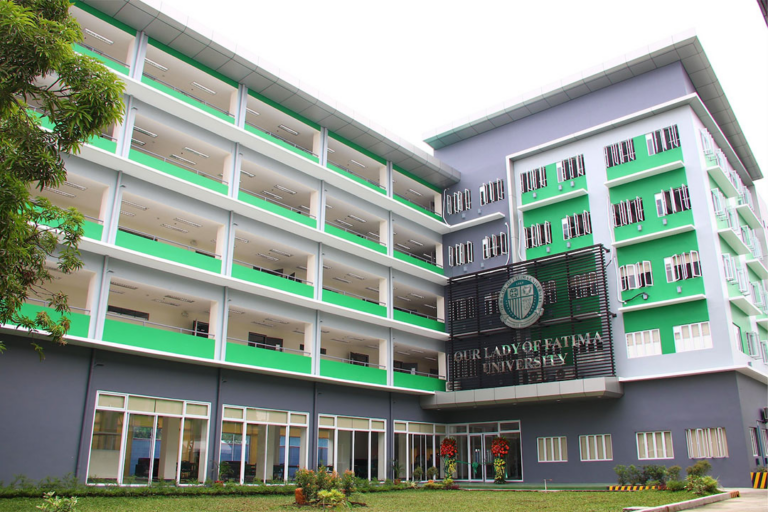
Recognizing the growing need for skilled respiratory therapists, MSA PH partnered with Our Lady of Fatima University (OLFU) in 2025 to help strengthen respiratory therapy education, training, and career development in the country.
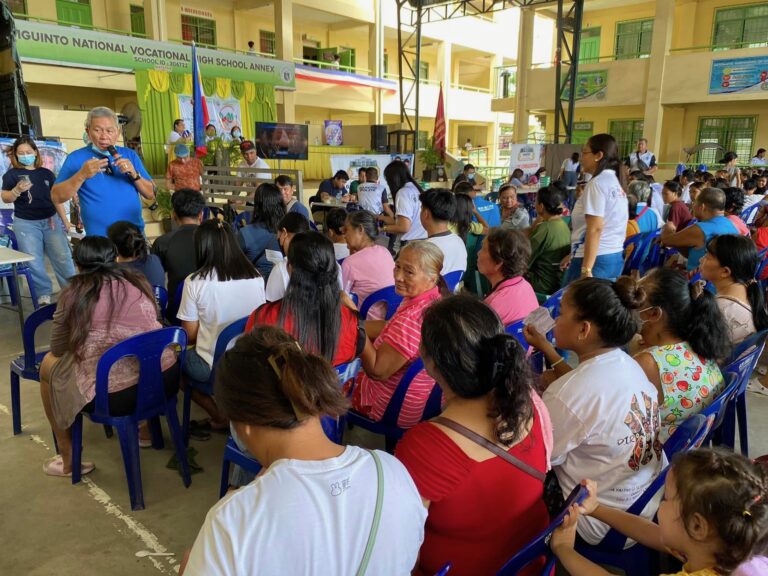
The partnership aims to bridge classroom learning and real-world healthcare practice through initiatives such as scholarships, internships, career talks, recruitment opportunities, research collaborations, and access to industry expertise.
More importantly, the collaboration reflects a shared commitment to helping students see respiratory therapy not only as a healthcare profession but as a meaningful and impactful career path. By creating stronger connections between education and industry, partnerships like these help prepare future respiratory therapists for the realities of clinical practice while supporting the long-term needs of hospitals and healthcare providers.
Looking Ahead: The Future of Respiratory Therapy in the Philippines
Respiratory therapy is becoming an increasingly important part of modern healthcare. As hospitals continue to expand critical care capabilities and adopt more advanced respiratory technologies, opportunities for respiratory therapists are expected to grow alongside the healthcare sector itself.
To support this growth, the country will need more trained, committed, and clinically prepared respiratory therapists ready to serve where they are needed most.
Building that future will require stronger partnerships between academic institutions, healthcare providers, and industry leaders. By working together, stakeholders can help create more opportunities for education, training, and career development for future respiratory therapists.
Interested in building industry-academe partnerships that help shape the future of respiratory therapy? Partner with MSA PH to help create stronger pathways for the next generation of respiratory therapists.